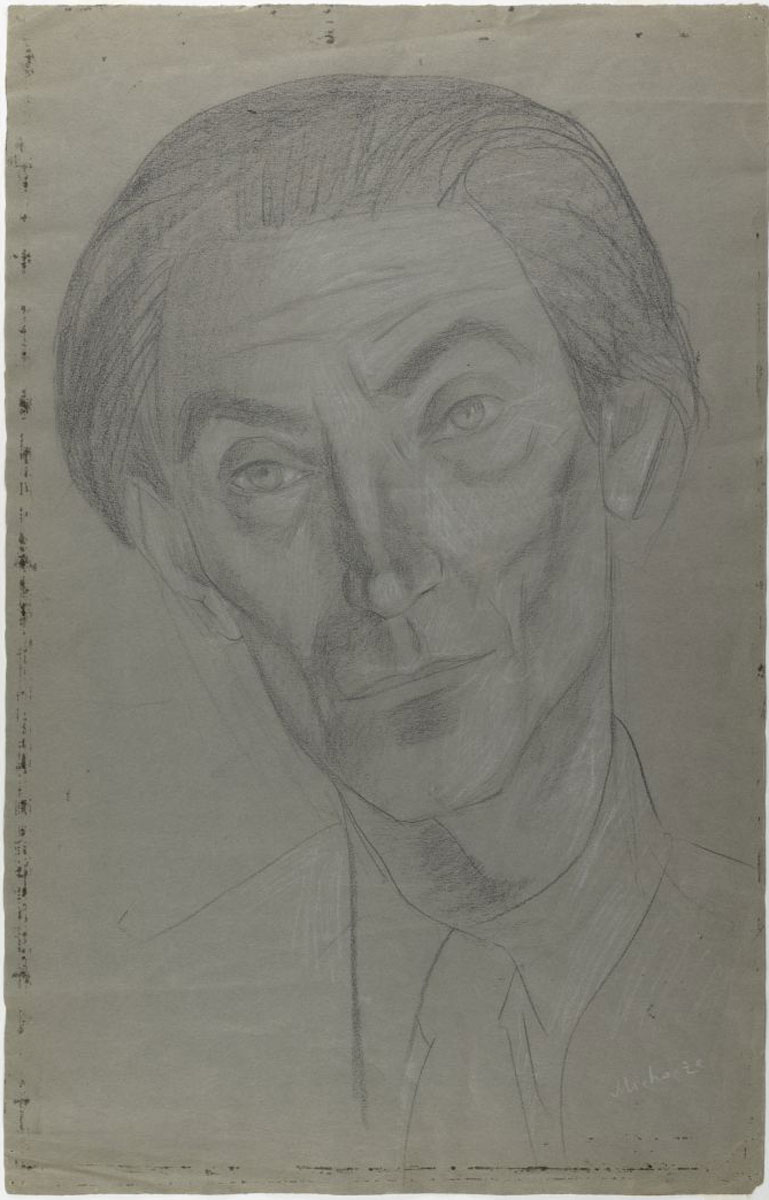
Remember only that I was innocent
and that, like all of you, mortals of this day,
I had, I too had a face marked
by rage, by pity and joy,
an ordinary human face!
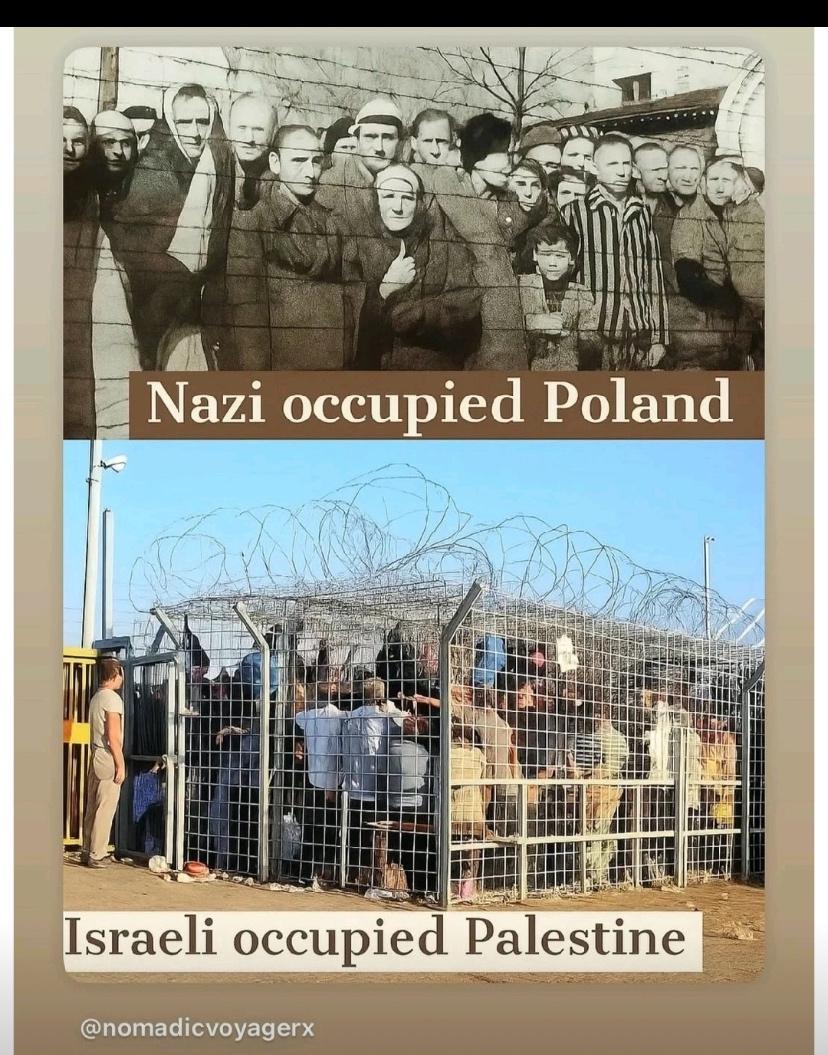
Those are animals, they have no right to exist. I’m not arguing on how it should be done, but they (Palestinians in Gaza) need to be exterminated. -Yoav Kisch, Israeli Minister of Education (October 9, 2023) Source: Law for Palestine
This is one of the last poems written by Benjamin Fondane (1898-1944), a Romanian and French poet, critic and existentialist philosopher, also noted for his work in film and theater. Born Benjamin Wechsler in Iași, the cultural capital of Moldavia, Fondane was arrested in the spring of 1944 and later put on a transport to Auschwitz-Birkenau in occupied Poland. He was sent to the gas chamber a few months before the Russian army liberated the camp probably because he was considered too old to work at the age of 45.
I read this poem with great sadness and a profound sense of longing for what should have been and what should be. His haunting words touched my soul. Fondane wrote as a Jew during the ascendancy of Nazi Germany, a time when the concentration and death camps were running at full tilt. Like Anne Frank, he almost survived World War II until some locals reported him to collaborationist authorities.
In these poignant words from the grave I hear the voices of Palestinians in Gaza, both the living and the dead, our fellow human beings and victims of the apartheid, settler colonial, and genocidal state of Israel. I also hear the voices of others around the world who are the victims of state terrorism, including in my home country, now and throughout history. As one out of over 8 billion people in the world, I’m doing what I can to help individuals in Gaza one person at a time. It’s not much but it’s something. It’s my moral obligation and duty.
Ironically, in light of the Israeli-engineered genocide and ethnic cleansing in Gaza – death by IOF soldier, missile, bomb, quadcopter, hunger, torture, disease, lack of access to medicine and health care, etc., ad nauseam – the final verse that begins with “Remember only that I was innocent…” is inscribed at the entrance of Yad Vashem’s Hall of Names in Jerusalem, a clarion call to recognize the humanity of all victims in Benjamin Fondane’s “ordinary human face.” (Yad Vashem is Hebrew for “a memorial and a name.”) Most Israelis, the Zionist regime, and millions of Zionists around the world make notable exceptions regarding the Israeli-induced plight of Palestinians in Gaza, the West Bank, and elsewhere. The genocide continues unabated in the latest “ceasefire.”
Follow this link to read the original French version. I posted translations in Arabic, Chinese, Hebrew, German, Spanish, and Vietnamese in the comments section.
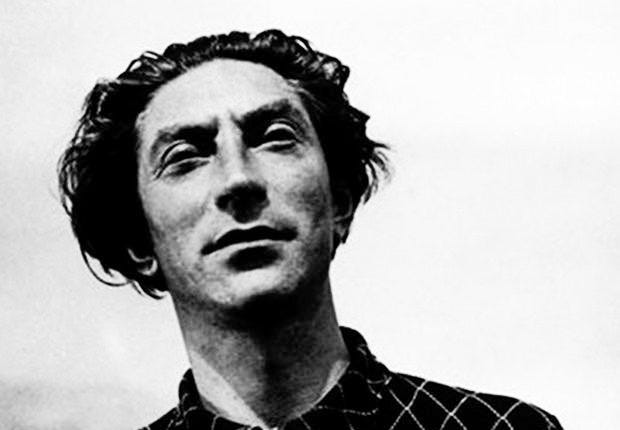
It is to you I speak, antipodal men,
I speak man to man,
with the little in me of man that remains,
with the scrap of voice left in my throat,
my blood lies upon the roads, let it not, let it
not cry out for vengeance!
The death-note is sounded, the beasts hunted down,
let me speak to you with these very words
that have been our share-
few intelligible ones remain.
A day will come, surely, of thirst appeased,
we will be beyond memory, death
will have finished the works of hate,
I will be a clump of nettles beneath your feet,
-ah, then, know that I had a face
like you. A mouth that prayed, like you.
When a bit of dust, or a dream,
entered my eye, this eye shed its drop of salt. And when
a cruel thorn raked my skin
the blood flowed red as your own!
Yes, exactly like you I was cruel, I
yearned for tenderness, for power,
for gold, for pleasure and pain.
Like you I was mean and anguished,
solid in peacetime, drunk in victory,
and staggering, haggard, in the hour of failure.
Yes, I was a man like other men,
nourished on bread, on dreams, on despair. Oh, yes,
I loved, I wept, I hated, I suffered,
I bought flowers and did not always
pay my rent. Sundays I went to the country
to cast for unreal fish under the eye of God,
I bathed in the river
that sang among the rushes and I ate fried potatoes
in the evening. And afterwards, I came back for bedtime
tired, my heart weary and full of loneliness,
full of pity for myself,
full of pity for man,
searching, searching vainly upon a woman’s belly
for that impossible peace we lost
some time ago, in a great orchard where,
flowering, at the center,
is the tree of life.
Like you I read all the papers, all the bestsellers,
and I have understood nothing of the world
and I have understood nothing of man,
though it often happened that I affirmed
the contrary.
And when death, when death came, maybe
I pretended to know what it was, but now truly
I can tell you at this hour,
it has fully entered my astonished eyes,
astonished to understand so little-
have you understood more than I?
And yet, no!
I was not a man like you.
You were not born on the roads,
no one threw your little ones like blind kittens
into the sewer,
you did not wander from city to city
hunted by the police,
you did not know the disasters of daybreak,
the cattle cars
and the bitter sob of abasement,
accused of a wrong you did not do,
of a murder still without a cadaver,
changing your name and your face,
so as not to bear a jeered-at name,
a face that has served for all the world
as a spittoon.
A day will come, no doubt, when this poem
will find itself before your eyes. It asks
nothing! Forget it, forget it! It is nothing
but a scream, that cannot fit in a perfect
poem. Have I even time to finish it?
But when you trample on this bunch of nettles
that had been me, in another century,
in a history that you will have canceled,
remember only that I was innocent
and that, like all of you, mortals of this day,
I had, I too had a face marked
by rage, by pity and joy,
an ordinary human face!
I was inspired to create a song based on Preface in Prose called A Face Like Yours.
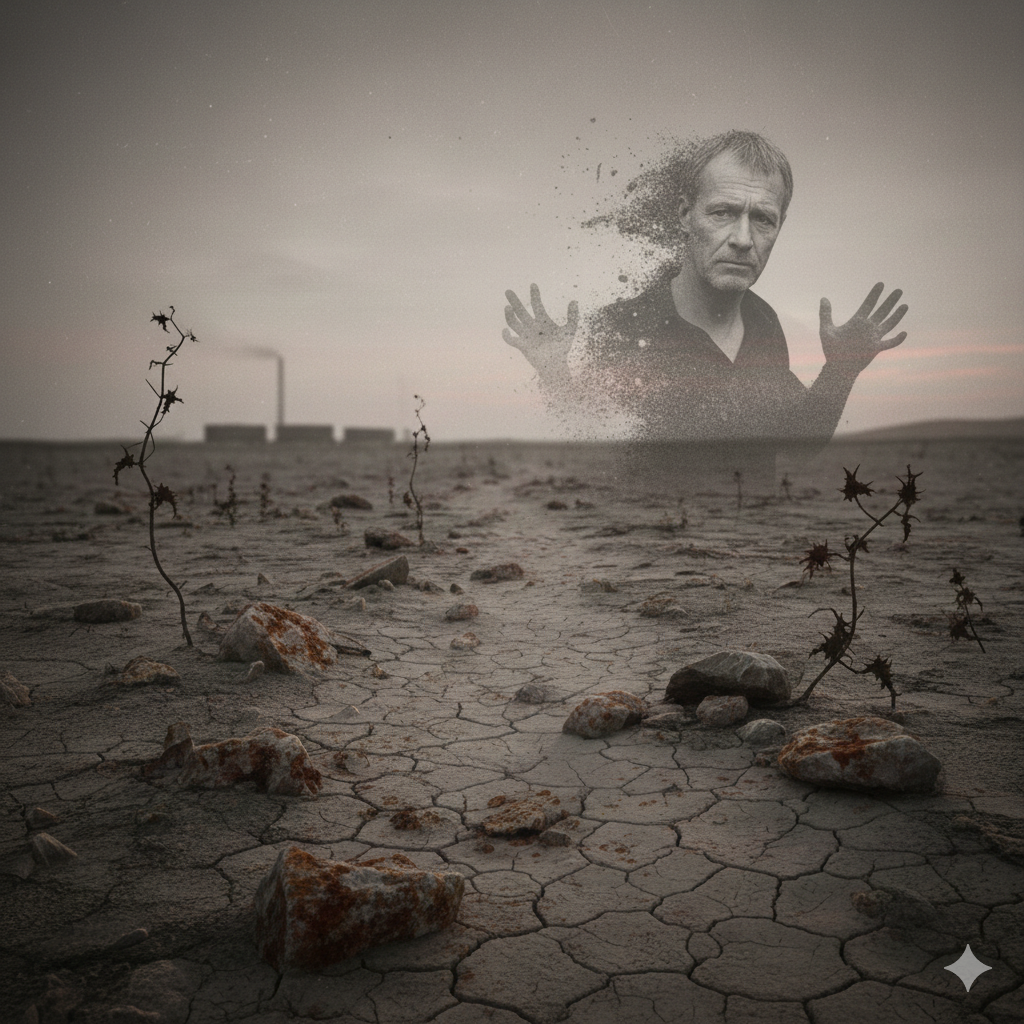
A Face Like Yours
Verse 1
I speak to you from what is left of me,
From a broken voice, from the dust I breathe.
My blood is dry on the stones of the road,
Let it not cry out, let it not be owed.
The hunt is done, the night has rung its bell,
Few words remain, but I’ll try to tell.
Pre-Chorus
When the thirst is gone, when hate is through,
When memory fades like morning dew—
Chorus
Remember this when I am gone,
When I am nettles you walk upon:
I had a face like yours, it’s true,
A mouth that prayed, an eye that knew
Salt from tears and red from pain,
A human heart, the same refrain.
Before I’m ash, before I’m air,
Know this once: I was there.
Verse 2
Like you, I wanted tenderness,
Power and gold, the ache, the mess.
I loved, I hated, I bought flowers cheap,
Missed my rent, lost my sleep.
On Sundays I chased unreal fish,
Bathed in a river, made small wishes,
Ate fried potatoes, came home alone,
Heavy with pity, heavy as stone.
Pre-Chorus 2
I searched for peace where it never stays,
In the dark between desire and faith.
Chorus
Remember this when I am gone,
When I am nettles you walk upon:
I had a face like yours, it’s true,
Hands that reached, a heart that broke too.
I was cruel, I was kind,
Strong in peace, drunk in triumph, blind in decline.
Before the silence, before the air,
Know this once: I was there.
Bridge
I read the papers, the words, the lies,
Claimed understanding, but saw with closed eyes.
And when death came, I thought I knew its name,
But it filled my sight with unanswered flame.
Tell me—tell me true, my friend—
Have you understood more in the end?’
Verse 3
No—here we part, for this is the truth:
You were not born hunted, starved of proof.
No one threw your children away,
No cattle cars at the break of day.
You kept your name, you kept your face,
Mine was a curse the world erased.
Chorus (Quiet, then rising)
Still remember this when I am gone,
When history’s clean and I’m trampled on:
I was innocent—this I swear,
And like you all, I had my share
Of rage and joy and fragile grace,
An ordinary human face.
Outro
This song asks nothing—let it fall,
It’s just a scream, not perfect at all.
But if it finds you, someday, somewhere,
Pause your step, and remember:
I was a man.
I was alive.
I had a face—
Like yours.
Version 1
Version 2
Version 3
Let me know which version you like the most and why. My favorite is #3.
 An International Educator in Vietnam
تمهيد نثري
إليكم أتوجّه بالكلام، أيها البشر القابعون في أقاصي الأرض،
أخاطبكم من إنسان إلى إنسان،
بما تبقّى فيّ من إنسانية،
ببقايا صوت عالقة في حلقي،
دمي ممدّد على الطرقات، فلا تدعوه، لا تدعوه
يصرخ طلبًا للثأر!
لقد دوّت نغمة الموت، وطوردت الوحوش،
دعوني أخاطبكم بهذه الكلمات نفسها
التي كانت نصيبنا المشترك —
لم يبقَ منها إلا القليل، القليل المفهوم.
سيأتي يوم، لا شك، تُروى فيه العطاش،
سنكون خارج الذاكرة، وسيكون الموت
قد أتمّ أعمال الكراهية،
وسأكون حزمةً من القراص تحت أقدامكم،
— آه، عندئذٍ اعلموا أن لي وجهًا
مثل وجوهكم. وفمًا كان يصلّي، مثل أفواهكم.
حين كانت ذرّة غبار، أو حلم،
تدخل عيني، كانت تلك العين تذرف قطرتها المالحة. وحين
كان شوكٌ قاسٍ يمزّق جلدي،
كان الدم يسيل أحمر مثل دمكم!
نعم، كنتُ قاسيًا مثلكم تمامًا؛
توقّعتُ الحنان، والسلطة،
والذهب، واللذة، والألم.
ومثلكم كنتُ حقيرًا ومُعذَّبًا،
ثابتًا في السلم، مخمورًا في النصر،
ومتعثّرًا، شاحبًا، في ساعة الهزيمة.
نعم، كنتُ إنسانًا مثل سائر الناس،
أُغذّى بالخبز، وبالأحلام، وباليأس. آه نعم،
أحببتُ، وبكيتُ، وكرهتُ، وتألمتُ،
اشتريتُ الزهور ولم أدفع دائمًا
إيجار البيت. وفي أيام الأحد كنت أخرج إلى الريف
لأصطاد أسماكًا غير حقيقية تحت عين الله،
كنت أسبح في النهر
الذي كان يغنّي بين القصب، وأكلُ البطاطا المقلية مساءً.
ثم أعود عند وقت النوم،
متعبًا، قلبي منهك وممتلئًا بالوحدة،
ممتلئًا بالشفقة على نفسي،
وممتلئًا بالشفقة على الإنسان،
أبحث، أبحث عبثًا على بطن امرأة
عن ذلك السلام المستحيل الذي فقدناه
منذ زمن بعيد، في بستان عظيم حيث،
مزهرًا، في القلب،
تقف شجرة الحياة.
ومثلكم قرأتُ جميع الصحف، وجميع الكتب الأكثر مبيعًا،
ولم أفهم شيئًا من العالم،
ولم أفهم شيئًا من الإنسان،
مع أنني كثيرًا ما كنتُ
أؤكّد العكس.
وحين جاء الموت، حين جاء الموت، ربما
تظاهرتُ بأنني أعرف ما هو، لكنني الآن حقًا
أستطيع أن أقول لكم في هذه الساعة:
لقد دخل كليًّا إلى عينيّ المندهشتين،
المندهشتين من قلّة ما أفهم —
هل فهمتم أكثر مني؟
ومع ذلك، لا!
لم أكن إنسانًا مثلكم.
أنتم لم تولدوا على الطرقات،
ولم يرمِ أحد صغاركم مثل هررةٍ عمياء
في المجاري،
ولم تتشرّدوا من مدينة إلى مدينة
مطاردين من الشرطة،
ولم تعرفوا كوارث الفجر،
وعربات المواشي،
ونشيج الإذلال المرّ،
متَّهمين بذنب لم ترتكبوه،
وبجريمة قتل بلا جثة بعد،
تغيّرون أسماءكم ووجوهكم
كي لا تحملوا اسمًا يُسخر منه،
ولا وجهًا خدم العالم كلّه
كمبصقة.
سيأتي يوم، بلا شك، يقف فيه هذا الشعر
أمام أعينكم. إنه لا يطلب
شيئًا! انسوه، انسوه! إنه ليس
إلا صرخةً لا تتّسع لها
قصيدةٌ كاملة. هل لديّ حتى الوقت لإنهائه؟
لكن حين تدوسون هذه الحزمة من القراص
التي كنتُها، في قرنٍ آخر،
في تاريخٍ ستمحونه،
تذكّروا فقط أنني كنتُ بريئًا،
وأنني، مثلكم جميعًا، يا فانيي هذا اليوم،
كان لي أنا أيضًا، نعم لي أنا أيضًا، وجه
موسوم بالغضب، وبالشفقة، وبالفرح،
وجهٌ إنسانيّ عاديّ!
Vorrede in Prosa
An euch richte ich mein Wort, antipodische Menschen,
ich spreche von Mensch zu Mensch,
mit dem Wenigen an Menschlichem in mir, das geblieben ist,
mit dem Rest einer Stimme in meiner Kehle,
mein Blut liegt auf den Straßen, lasst es nicht, lasst es
nicht nach Rache schreien!
Der Todeston ist angeschlagen, die Bestien sind gejagt,
lasst mich zu euch sprechen mit eben diesen Worten,
die unser Teil gewesen sind –
nur wenige verständliche sind geblieben.
Ein Tag wird kommen, gewiss, an dem der Durst gestillt ist,
wir werden jenseits der Erinnerung sein, der Tod
wird die Werke des Hasses vollendet haben,
ich werde ein Büschel Brennnesseln unter euren Füßen sein,
– ach, dann wisst: Ich hatte ein Gesicht
wie ihr. Einen Mund, der betete, wie ihr.
Wenn ein Staubkorn oder ein Traum
mir ins Auge drang, vergoss dieses Auge seinen salzigen Tropfen. Und wenn
ein grausamer Dorn meine Haut aufriss,
floss das Blut rot wie das eure!
Ja, ganz wie ihr war ich grausam, ich
sehnte mich nach Zärtlichkeit, nach Macht,
nach Gold, nach Lust und nach Schmerz.
Wie ihr war ich kleinlich und gequält,
standhaft im Frieden, trunken im Sieg,
und taumelnd, ausgezehrt, in der Stunde der Niederlage.
Ja, ich war ein Mensch wie andere Menschen,
genährt von Brot, von Träumen, von Verzweiflung. Oh ja,
ich liebte, ich weinte, ich hasste, ich litt,
ich kaufte Blumen und zahlte nicht immer
meine Miete. Sonntags fuhr ich aufs Land,
um unter Gottes Blick nach unwirklichen Fischen zu angeln,
ich badete im Fluss,
der zwischen den Binsen sang, und aß abends Bratkartoffeln.
Und danach kam ich zur Schlafenszeit zurück,
müde, mein Herz erschöpft und voller Einsamkeit,
voller Mitleid mit mir selbst,
voller Mitleid mit dem Menschen,
vergeblich suchend auf dem Bauch einer Frau
nach jenem unmöglichen Frieden, den wir
vor langer Zeit verloren haben, in einem großen Obstgarten, wo,
blühend, in der Mitte,
der Baum des Lebens steht.
Wie ihr las ich alle Zeitungen, alle Bestseller,
und ich habe nichts von der Welt verstanden
und nichts vom Menschen verstanden,
obwohl es oft geschah, dass ich
das Gegenteil behauptete.
Und als der Tod, als der Tod kam, vielleicht
tat ich so, als wüsste ich, was er ist, doch nun wahrhaftig
kann ich euch in dieser Stunde sagen:
Er ist ganz in meine erstaunten Augen getreten,
erstaunt darüber, so wenig zu begreifen –
habt ihr mehr verstanden als ich?
Und doch, nein!
Ich war kein Mensch wie ihr.
Ihr wurdet nicht auf den Straßen geboren,
niemand warf eure Kleinen wie blinde Kätzchen
in den Abwasserkanal,
ihr seid nicht von Stadt zu Stadt geirrt,
von der Polizei gejagt,
ihr habt die Katastrophen der Morgendämmerung nicht gekannt,
die Viehwaggons
und das bittere Schluchzen der Erniedrigung,
angeklagt wegen einer Tat, die ihr nicht begangen habt,
wegen eines Mordes noch ohne Leichnam,
den Namen und das Gesicht wechselnd,
um keinen verspotteten Namen zu tragen,
kein Gesicht, das der ganzen Welt
als Spucknapf gedient hat.
Ein Tag wird kommen, ohne Zweifel, an dem dieses Gedicht
sich vor euren Augen wiederfinden wird. Es verlangt
nichts! Vergesst es, vergesst es! Es ist nichts
als ein Schrei, der nicht in ein vollkommenes
Gedicht passt. Habe ich überhaupt Zeit, es zu vollenden?
Doch wenn ihr auf dieses Büschel Brennnesseln tretet,
das ich gewesen bin, in einem anderen Jahrhundert,
in einer Geschichte, die ihr ausgelöscht haben werdet,
erinnert euch nur daran, dass ich unschuldig war
und dass ich, wie ihr alle, Sterbliche dieses Tages,
auch ich, auch ich ein Gesicht hatte, gezeichnet
von Zorn, von Mitleid und von Freude,
ein gewöhnliches menschliches Gesicht!
Lời tựa bằng văn xuôi
Chính với các bạn mà tôi lên tiếng, những con người ở phía bên kia địa cầu,
tôi nói từ người với người,
với phần người ít ỏi còn sót lại trong tôi,
với mảnh giọng cuối cùng còn mắc lại nơi cổ họng,
máu tôi nằm trên những con đường, xin đừng, xin đừng
để nó kêu gào đòi báo thù!
Khúc nhạc tử đã vang lên, những con thú đã bị săn đuổi,
hãy để tôi nói với các bạn bằng chính những lời này,
những lời đã từng là phần chia sẻ của chúng ta —
chỉ còn lại rất ít lời có thể hiểu được.
Rồi sẽ có một ngày, chắc chắn, khi cơn khát được dập tắt,
chúng ta sẽ ở bên kia ký ức, cái chết
sẽ hoàn tất những công việc của hận thù,
tôi sẽ chỉ là một bụi cây tầm ma dưới chân các bạn,
— à, khi ấy, xin hãy biết rằng tôi đã từng có một khuôn mặt
như các bạn. Một cái miệng từng cầu nguyện, như các bạn.
Khi một hạt bụi, hay một giấc mơ,
lọt vào mắt tôi, con mắt ấy đã nhỏ xuống giọt muối của nó. Và khi
một chiếc gai tàn nhẫn cào rách làn da tôi,
máu đã chảy đỏ như máu các bạn!
Vâng, hệt như các bạn, tôi đã từng tàn nhẫn; tôi
khát khao sự dịu dàng, khát khao quyền lực,
khát khao vàng bạc, khoái lạc và cả đau đớn.
Như các bạn, tôi nhỏ nhen và dằn vặt,
vững vàng trong thời bình, say sưa trong chiến thắng,
và xiêu vẹo, tiều tụy, trong giờ phút thất bại.
Vâng, tôi là một con người như bao con người khác,
được nuôi dưỡng bằng bánh mì, bằng những giấc mơ, bằng tuyệt vọng. Ôi vâng,
tôi đã yêu, đã khóc, đã ghét, đã chịu khổ đau,
tôi mua hoa và không phải lúc nào
cũng trả tiền thuê nhà. Những ngày Chủ nhật tôi ra ngoại ô,
dưới ánh nhìn của Thượng đế, câu những con cá không có thật,
tôi tắm trong con sông
hát giữa những bụi sậy và buổi tối ăn khoai tây chiên.
Rồi sau đó tôi trở về lúc đi ngủ,
mệt mỏi, trái tim rã rời và đầy cô đơn,
đầy thương hại cho chính mình,
đầy thương hại cho con người,
tìm kiếm, tìm kiếm vô vọng trên bụng một người đàn bà
một thứ bình yên không thể có mà chúng ta đã đánh mất
từ rất lâu rồi, trong một khu vườn cây ăn trái rộng lớn, nơi,
đang nở hoa, ở chính trung tâm,
là cây sự sống.
Như các bạn, tôi đọc mọi tờ báo, mọi cuốn sách bán chạy,
và tôi đã chẳng hiểu gì về thế giới,
cũng chẳng hiểu gì về con người,
dù rất nhiều lần tôi vẫn
khẳng định điều ngược lại.
Và khi cái chết, khi cái chết đến, có lẽ
tôi đã giả vờ như mình biết nó là gì, nhưng giờ đây, thực sự,
tôi có thể nói với các bạn trong giờ phút này:
nó đã hoàn toàn bước vào đôi mắt kinh ngạc của tôi,
kinh ngạc vì hiểu quá ít —
các bạn có hiểu nhiều hơn tôi không?
Thế nhưng, không!
Tôi đã không phải là một con người như các bạn.
Các bạn không sinh ra trên những con đường,
không ai ném con nhỏ của các bạn như những chú mèo con mù lòa
xuống cống rãnh,
các bạn không lang thang từ thành phố này sang thành phố khác
bị cảnh sát săn đuổi,
các bạn không biết đến những thảm họa của bình minh,
những toa tàu chở súc vật
và tiếng nức nở đắng cay của sự nhục nhã,
bị buộc tội về một điều các bạn không làm,
về một vụ giết người còn chưa có xác,
phải đổi tên đổi mặt,
để không mang một cái tên bị chế giễu,
một khuôn mặt đã từng phục vụ cho cả thế gian
như một cái ống nhổ.
Rồi sẽ có một ngày, không nghi ngờ gì, khi bài thơ này
xuất hiện trước mắt các bạn. Nó chẳng đòi hỏi
điều gì cả! Hãy quên nó đi, quên nó đi! Nó chẳng là gì
ngoài một tiếng thét, không thể vừa vặn
trong một bài thơ hoàn hảo. Liệu tôi còn kịp thời gian để kết thúc nó không?
Nhưng khi các bạn giẫm lên bụi tầm ma
đã từng là tôi, ở một thế kỷ khác,
trong một lịch sử mà các bạn sẽ xóa bỏ,
xin chỉ hãy nhớ rằng tôi đã vô tội,
và rằng tôi, cũng như tất cả các bạn, những kẻ phàm trần của ngày hôm nay,
tôi cũng đã từng có một khuôn mặt,
một khuôn mặt mang dấu vết
của phẫn nộ, của xót thương và của niềm vui,
một khuôn mặt con người bình thường!
Prefacio en prosa
Es a vosotros a quienes hablo, hombres antípodas,
hablo de hombre a hombre,
con lo poco de hombre que queda en mí,
con el resto de voz que aún me queda en la garganta,
mi sangre yace sobre los caminos, que no, que no
clame por venganza.
La nota de la muerte ha sido dada, las bestias han sido cazadas,
dejadme hablaros con estas mismas palabras
que han sido nuestra parte compartida:
quedan pocas, pocas palabras inteligibles.
Vendrá un día, sin duda, en que la sed será saciada,
estaremos más allá de la memoria, la muerte
habrá terminado las obras del odio,
yo seré un manojo de ortigas bajo vuestros pies;
—ah, entonces sabed que yo tuve un rostro
como el vuestro. Una boca que rezaba, como la vuestra.
Cuando un poco de polvo, o un sueño,
entraba en mi ojo, ese ojo dejaba caer su gota de sal. Y cuando
una espina cruel desgarraba mi piel,
la sangre corría roja como la vuestra.
Sí, exactamente como vosotros fui cruel; yo
anhelé la ternura, el poder,
el oro, el placer y el dolor.
Como vosotros fui mezquino y angustiado,
sólido en tiempos de paz, ebrio en la victoria,
y tambaleante, demacrado, en la hora del fracaso.
Sí, fui un hombre como los demás hombres,
alimentado de pan, de sueños, de desesperación. Oh, sí,
amé, lloré, odié, sufrí,
compré flores y no siempre
pagué el alquiler. Los domingos iba al campo
a pescar peces irreales bajo la mirada de Dios,
me bañaba en el río
que cantaba entre los juncos y por la noche comía patatas fritas.
Y después volvía a la hora de acostarme,
cansado, con el corazón fatigado y lleno de soledad,
lleno de compasión por mí mismo,
lleno de compasión por el hombre,
buscando, buscando en vano sobre el vientre de una mujer
esa paz imposible que perdimos
hace ya mucho tiempo, en un gran huerto donde,
en flor, en el centro,
se alza el árbol de la vida.
Como vosotros leí todos los periódicos, todos los superventas,
y no he comprendido nada del mundo
ni he comprendido nada del hombre,
aunque muchas veces afirmé
lo contrario.
Y cuando la muerte, cuando la muerte llegó, tal vez
fingí saber lo que era, pero ahora, en verdad,
puedo deciros en esta hora:
ha entrado por completo en mis ojos asombrados,
asombrados de comprender tan poco;
¿habéis comprendido más que yo?
Y sin embargo, ¡no!
Yo no fui un hombre como vosotros.
Vosotros no nacisteis en los caminos,
nadie arrojó a vuestros pequeños como gatitos ciegos
a la alcantarilla;
no vagasteis de ciudad en ciudad
perseguidos por la policía;
no conocisteis los desastres del amanecer,
los vagones de ganado
y el amargo sollozo de la humillación,
acusados de una falta que no cometisteis,
de un asesinato aún sin cadáver,
cambiando de nombre y de rostro
para no llevar un nombre burlado,
un rostro que ha servido al mundo entero
como escupidera.
Vendrá un día, sin duda, en que este poema
se encontrará ante vuestros ojos. No pide
nada. ¡Olvidadlo, olvidadlo! No es
más que un grito, que no cabe en un poema
perfecto. ¿Tendré siquiera tiempo de terminarlo?
Pero cuando pisoteéis este manojo de ortigas
que fui yo, en otro siglo,
en una historia que habréis borrado,
recordad solamente que yo era inocente
y que, como todos vosotros, mortales de este día,
yo también, yo también tuve un rostro
marcado por la ira, la piedad y la alegría,
¡un rostro humano ordinario!
הקדמה בפרוזה
אליכם אני מדבר, בני אדם מן הקצה שמנגד,
אני מדבר אדם אל אדם,
עם המעט שבאדם שנותר בי,
עם שארית הקול שנותרה בגרוני.
דמי מונח על הדרכים — אל נא, אל נא
יזעק לנקמה!
צליל המוות הושמע, החיות נרדפו,
הניחו לי לדבר אליכם במילים הללו ממש
שהיו מנת חלקנו —
מעטות נותרו שניתן להבין.
יבוא יום, ודאי, שבו יושׂבע הצמא,
נהיה מעבר לזיכרון; המוות
יסיים את מלאכת השנאה.
אני אהיה גוש סרפדים תחת רגליכם —
אה, ואז דעו: היה לי פנים
כפניכם. פה שהתפלל, כמוכם.
כאשר גרגר אבק, או חלום,
נכנס לעיני — עין זו הזילה טיפה של מלח.
וכאשר קוץ אכזרי שרט את עורי,
זרם הדם אדום כשלכם!
כן, בדיוק כמוכם הייתי אכזרי;
כמהתי לרוך, לעוצמה,
לזהב, לעונג ולכאב.
כמוכם הייתי שפל ומיוסר,
יציב בימי שלום, שיכור בניצחון,
ומתנדנד, קודר ומותש, בשעת כישלון.
כן, הייתי אדם כאנשים אחרים,
ניזון מלחם, מחלומות, מייאוש. הו, כן,
אהבתי, בכיתי, שנאתי, סבלתי,
קניתי פרחים ולא תמיד
שילמתי את שכר הדירה. בימי ראשון יצאתי אל הכפר
לדוג דגים שאינם קיימים תחת עינו של אלוהים,
רחצתי בנהר
ששר בין הקנים ואכלתי תפוחי אדמה מטוגנים
בערב. ואחר כך שבתי לשעת השינה,
עייף, לבי יגע ומלא בדידות,
מלא רחמים על עצמי,
מלא רחמים על האדם,
מחפש, מחפש לשווא על בטנה של אישה
את אותו שלום בלתי־אפשרי שאיבדנו
לפני זמן רב, במטע גדול שבו,
פורח במרכזו,
עץ החיים.
כמוכם קראתי את כל העיתונים, את כל רבי־המכר,
ולא הבנתי דבר מן העולם
ולא הבנתי דבר מן האדם,
אף כי לא פעם טענתי
את ההפך.
וכאשר המוות, כאשר המוות בא — אולי
העמדתי פנים שאני יודע מה הוא, אך כעת באמת
אני יכול לומר לכם בשעה זו:
הוא נכנס במלואו אל עיניי המשתאות,
משתאות להבין כה מעט —
האם הבנתם יותר ממני?
ואף על פי כן — לא!
לא הייתי אדם כמוכם.
אתם לא נולדתם על הדרכים,
איש לא השליך את ילדיכם הקטנים כגורי חתולים עיוורים
אל הביוב.
לא נדדתם מעיר לעיר
כנרדפים בידי המשטרה.
לא ידעתם את אסונות השחר,
קרונות הבקר
והיבבה המרירה של ההשפלה,
מואשמים בעוול שלא עשיתם,
ברצח שעוד אין לו גופה,
משנים את שמכם ואת פניכם
כדי שלא לשאת שם ללעג,
פנים ששימשו לכל העולם
כיריקה.
יבוא יום, ללא ספק, שבו יעמוד השיר הזה
מול עיניכם. הוא אינו מבקש דבר!
שכחו אותו, שכחו אותו! אין הוא אלא
זעקה, שאינה יכולה להיכנס
לשיר מושלם. האם יש לי בכלל
זמן לסיימו?
אך כאשר תדרכו על צרור הסרפדים
שהייתי אני, במאה אחרת,
בהיסטוריה שאתם מחקתם —
זכרו רק זאת: שהייתי חף מפשע,
ושכמו כולכם, בני־תמותה של היום הזה,
היו לי — גם לי היו — פנים חרוטות
בזעם, ברחמים ובשמחה,
פנים אנושיות רגילות!
Préface en prose
C’est à vous que je parle, hommes des antipodes,
je parle d’homme à homme,
avec le peu en moi qui demeure de 1’homme,
avec le peu de voix qui me reste au gosier,
mon sang est sur les routes, puisse-t-il, puisse-t-il
ne pas crier vengeance !
L’hallali est donné, les bêtes sont traquées,
laissez-moi vous parler avec ces mêmes mots
que nous eûmes en partage-
il reste peu d’intelligibles !
Un jour viendra, c’est sûr, de la soif apaisée,
nous serons au-delà du souvenir, la mort
aura parachevé les travaux de la haine,
je serai un bouquet d’orties sous vos pieds,
– alors, eh bien, sachez que j’avais un visage
comme vous. Une bouche qui priait, comme vous.
Quand une poussière entrait, ou bien un songe,
dans l’oeil, cet oeil pleurait un peu de sel. Et quand
une épine mauvaise égratignait ma peau,
il y coulait un sang aussi rouge que le vôtre !
Certes, tout comme vous j’étais cruel, j’avais
soif de tendresse, de puissance,
d’or, de plaisir et de douleur.
Tout comme vous j’étais méchant et angoissé
solide dans la paix, ivre dans la victoire,
et titubant, hagard, à l’heure de l’échec !
Oui, j’ai été un homme comme les autres hommes,
nourri de pain, de rêve, de désespoir. Eh oui,
j’ai aimé, j’ai pleuré, j’ai haï, j’ai souffert,
j’ai acheté des fleurs et je n’ai pas toujours
payé mon terme. Le dimanche j’allais à la campagne
pêcher, sous l’oeil de Dieu, des poissons irréels,
je me baignais dans la rivière
qui chantait dans les joncs et je mangeais des frites
le soir. Après, après, je rentrais me coucher
fatigué, le coeur las et plein de solitude,
plein de pitié pour moi,
plein de pitié pour l’homme,
cherchant, cherchant en vain sur un ventre de femme
cette paix impossible que nous avions perdue
naguère, dans un grand verger où fleurissait
au centre, l’arbre de la vie…
J’ai lu comme vous tous les journaux tous les bouquins,
et je n’ai rien compris au monde
et je n’ai rien compris à l’homme,
bien qu’il me soit souvent arrivé d’affirmer
le contraire.
Et quand la mort, la mort est venue, peut-être
ai-je prétendu savoir ce qu’elle était mais vrai,
je puis vous le dire à cette heure,
elle est entrée toute en mes yeux étonnés,
étonnés de si peu comprendre
avez-vous mieux compris que moi ?
Et pourtant, non !
je n’étais pas un homme comme vous.
Vous n’êtes pas nés sur les routes,
personne n’a jeté à l’égout vos petits
comme des chats encor sans yeux,
vous n’avez pas erré de cité en cité
traqués par les polices,
vous n’avez pas connu les désastres à l’aube,
les wagons de bestiaux
et le sanglot amer de 1’humiliation,
accusés d’un délit que vous n’avez pas fait,
d’un meurtre dont il manque encore le cadavre,
changeant de nom et de visage,
pour ne pas emporter un nom qu’on a hué
un visage qui avait servi à tout le monde
de crachoir !
Un jour viendra, sans doute, quand le poème lu
se trouvera devant vos yeux. Il ne demande
rien! Oubliez-le, oubliez-le ! Ce n’est
qu’un cri, qu’on ne peut pas mettre dans un poème
parfait, avais-je donc le temps de le finir ?
Mais quand vous foulerez ce bouquet d’orties
qui avait été moi, dans un autre siècle,
en une histoire qui vous sera périmée,
souvenez-vous seulement que j’étais innocent
et que, tout comme vous, mortels de ce jour-là,
j’avais eu, moi aussi, un visage marqué
par la colère, par la pitié et la joie,
un visage d’homme, tout simplement !
( L’Exode, 1942)
https://www.benjaminfondane.com/un_article_bulletin-Po%C3%A8mes-485-1-1-0-1.html
散文前言
我对你们说话,
对你们说话,彼岸之人,
我以人与人相对而语,
用我体内尚存的那一点人性,
用喉咙里剩下的一丝声音。
我的血躺在路上,别让它,别让它
呼喊复仇!
死亡的音符已经奏响,野兽被追猎,
让我就用这些话对你们说吧——
这些曾属于我们的词语,
所剩下的,已寥寥无几,勉强可懂。
总有一天,必定会有,干渴得解的一天,
我们将超越记忆;死亡
将完成仇恨的工程。
我将成为你们脚下的一丛荨麻——
啊,到那时,请你知道:
我曾有一张
与你一样的脸;一张像你一样祈祷的嘴。
当一粒尘土,或一个梦,
进入我的眼睛,这只眼睛也会流下
一滴盐水;当
残酷的荆棘划破我的皮肤,
血也像你的一样,鲜红地流淌!
是的,正如你一样,我也曾残忍;
我渴望温柔,渴望权力,
渴望黄金,渴望欢乐与痛苦。
像你一样,我卑微而焦虑,
在和平中稳固,在胜利时沉醉,
在失败的时刻踉跄、憔悴。
是的,我和其他人一样是个人,
靠面包、梦想与绝望滋养。哦,是的,
我爱过,我哭过,我恨过,我受过苦;
我买花,却并非总能
付清房租。星期天我去乡下,
在上帝的注视下垂钓并不存在的鱼;
我在河里沐浴,
河水在芦苇间歌唱;夜晚我吃炸土豆。
之后,我在就寝时回家,
疲惫不堪,心灵倦怠而充满孤独,
充满对自己的怜悯,
充满对人的怜悯;
在女人的腹部上徒然地寻找、寻找
那份我们早已失去的、
不可能的安宁——
在很久以前的一座大果园里,
在盛放之中、在中心,
矗立着生命之树。
像你一样,我读遍所有报纸、所有畅销书,
却对世界一无所知,
对人一无所知;
尽管我常常
声称恰恰相反。
而当死亡,当死亡来临时,也许
我假装知道它是什么;但如今,真正地,
在此刻我可以告诉你们:
它已完全进入我惊愕的双眼,
惊愕于理解得如此之少——
你们理解得比我更多吗?
然而,不!
我并不曾是像你那样的人。
你并非生于道路之上,
没有人把你的孩子像盲猫一样
扔进下水道;
你不曾在警察的追捕下
从一座城市流浪到另一座城市;
你不曾知道黎明的灾难,
牲畜车厢
与屈辱的苦涩抽泣;
你不曾被指控犯下并未做过的罪行,
被指控一桩甚至尚无尸体的谋杀;
你不曾更换名字与面孔,
只为不再背负一个被嘲笑的名字,
一张被整个世界
当作痰盂的脸。
总有一天,毫无疑问,这首诗
会出现在你们眼前。它
不求任何东西!忘了它吧,忘了它!它不过是
一声无法装进完美
诗篇里的尖叫。我甚至还有
时间把它写完吗?
但当你们践踏这丛荨麻——
那在另一个世纪、
在一段你们将会抹去的历史中
曾是我的荨麻——
请只记住这一点:我曾是清白的;
并且,像你们所有人——当日的凡人——一样,
我也曾拥有一张
被愤怒、怜悯与欢乐刻画的脸,
一张普通的人类的脸。
From the Bergen-Belsen diary to the memories of Gaza: “The world remains silent, but our pencils do not” (29.8.25) https://www.mundoamerica.com/news/2025/08/29/68b1873de85ece24208b4599.html
A Face Like Yours: A Romanian-French Poet Speaks to Us from the Grave (13.2.26)
The World According to Gaza – Gaza is only the start. The new world order is one where the weak are obliterated by the strong, the rule of law does not exist, genocide is an instrument of control and barbarism is triumphant. (Mar 16, 2026) https://chrishedges.substack.com/p/the-world-according-to-gaza