This is a LinkedIn post by Marina Kobzeva about her grandmother. Reprinted with permission.

She always insisted that Arabs had done nothing to her. It was the Germans she never forgave.
My grandma’s parents moved to Moscow from Ukraine. During the Russian Empire, Jews weren’t allowed to live in the capitals. So after the Pale of Settlement was abolished, they were seeking a better life.
By the Soviet times, they could legally live anywhere, but antisemitism was so rampant it felt normalised. I grew up hearing pearls like “he’s a Jew, but a good man” from my Russian relatives.
My grandmother could have passed as Russian her whole life. Kept safe.
But she was the most open-minded, brave and antiracist person I’ve ever known. And whenever she heard racist comments – about anyone – this tiny woman would step forward and end the conversation. Decisively.
Including antisemitic comments.
“What’s it to you, Masha?” people would ask when she challenged them. “Because I’m also Jewish,” she would say, revealing herself without hesitation.
Even when it cost her jobs and friendships. And in that deeply antisemitic place, it always cost her.
She’d already paid for her moral clarity once. When she fell in love with my gentile grandfather, her parents disowned her. But she was happily married to him for life.
She was 14 when WW2 ended. Her parents took her back to Ukraine, hoping their unanswered letters meant something other than the obvious.
But when they arrived and saw that the houses once inhabited by their community had other people living in them, their worst fears were confirmed: everyone else was gone.
Aunts, uncles, cousins, grandparents. The entire extended family lost to the Holocaust. She was the only child left. With no family beyond her parents.
Decades later, when the post-Soviet economic crisis began to bite, my father suggested emigrating to Israel for a better life. My grandmother put her foot down, as I have only seen Jewish mothers do:
“Over my dead body. It’s stolen land, and all the neighbours hate them. Understandably.”
She didn’t want us to be the ones living in a house someone else was forced out of.
This woman, who lost so much to the genocide, still chose moral consistency over tribal loyalty. But it was a heavy burden to carry.
That’s why she told me to stay hidden. “Don’t tell anyone about it,” she’d warn. “Even a quarter of Jewish blood could cost you.” She’d paid the price her whole life, but wanted to protect me.
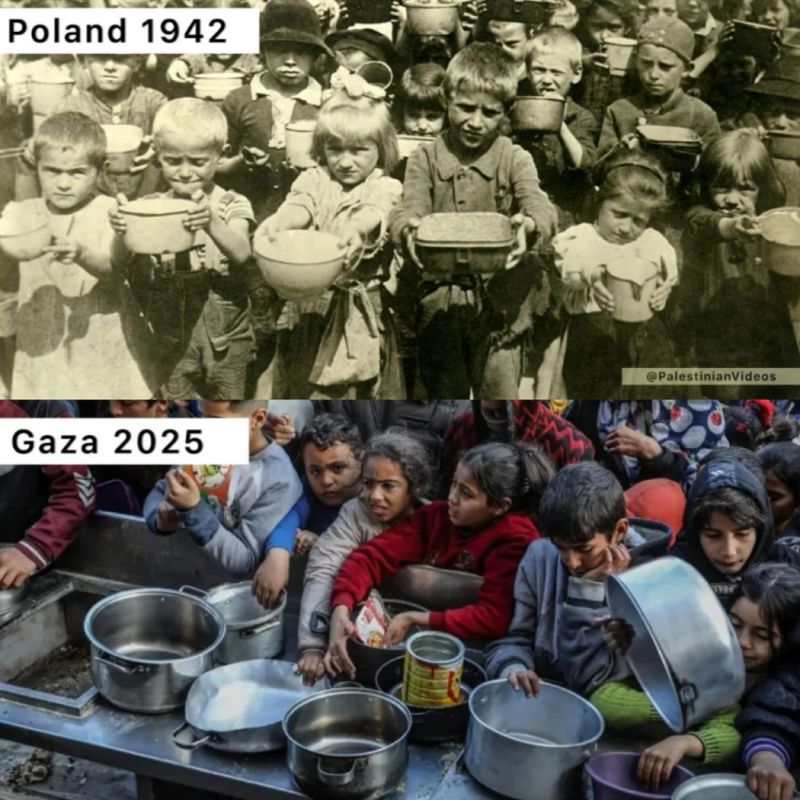
Now, watching Gaza’s manufactured famine, I’m grateful she’s dead. She can’t see what’s being done in her name to innocent people.
But I keep thinking about her. About her refusing to let her trauma justify someone else’s suffering. About her understanding that moral clarity isn’t complicated – stolen land is stolen land, civilians are civilians.
And I know she’d be speaking out about Palestine now if she were alive.
She told me to hide, but never hid herself. And her life has taught me an important lesson: moral clarity is really quite simple. It’s just not always free.
 An International Educator in Vietnam