Here are three LinkedIn posts by Hani Almadhoun, reprinted with permission. Hani, who is the Senior Director of Philanthropy for UNWRA, has lost numerous immediate and extended family members, including his brother Chef Mahmoud Almadhoun, who was targeted by the IOF and killed by a drone on November 30, 2024, near the shelter where his seven children were waiting for him. His 15-year-old son, Omar, was seriously injured beside him. A year before, another brother, Majed, and his family were killed in their sleep by an IOF air strike.
If you have the means, I urge you to support UNRWA USA and the Gaza Soup Kitchen, both of which are helping to feed and provide medicine to the people of Gaza.
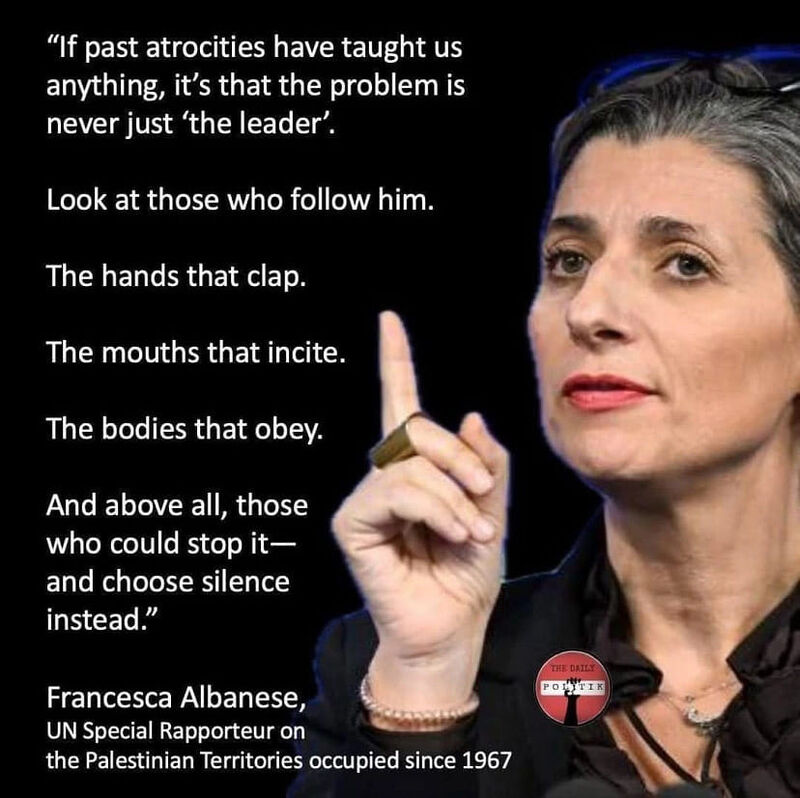
If you still “stand with Israel,” the hell on earth that Hani describes is what you’re supporting.
Your silence is complicity.
Shame on you.
Post #1
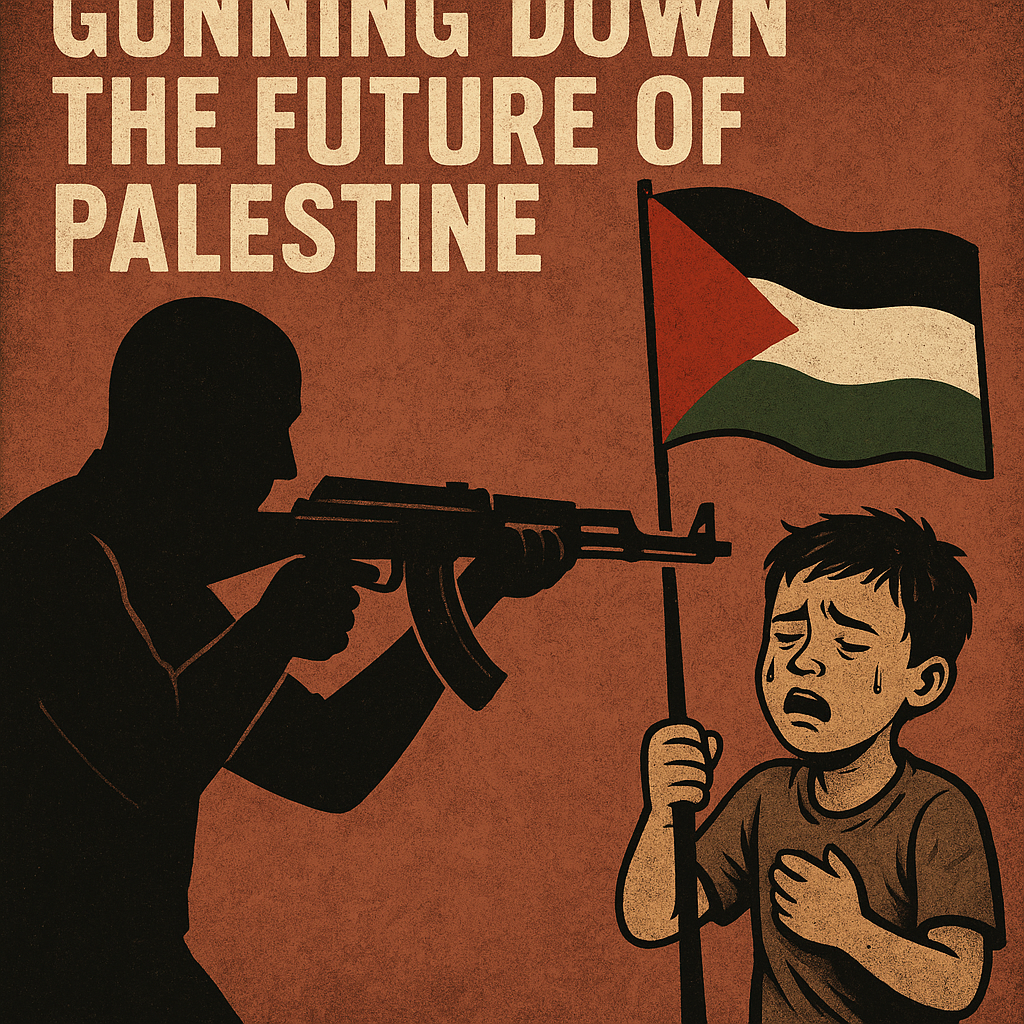
What is becoming agonizingly clear to me is that the lifeline to survival in Gaza has been twisted into a death trap. Israel’s army is systematically gunning down the very future of Palestine: its young people, in their teens and twenties, as they desperately queue for sacks of flour or bags of lentils. These aren’t tragic accidents of war; they are a horrifying pattern of intentional killings.
Almost 500 Palestinians have now been massacred at or near these so-called “aid distribution points,” and the overwhelming majority are the young, the strong, the able-bodied. These are the sons and daughters, the brothers and sisters, who brave the perilous lines because their families are starving and someone *must* bring food home. But for far too many, the journey ends in a pool of their own blood.
This isn’t random violence; it’s a brutal and deliberate strategy. In Rafah, 40 were slaughtered near an aid drop. The very next day, over 50 more met the same fate in Khan Younis. Then another 15 in Nuseirat. Time and again, aid convoys, meant to deliver sustenance, have become scenes of carnage. And the victims aren’t militants; they are students with dreams, siblings with responsibilities, the very individuals Gaza relies on to endure, to rebuild, to carry its future.
Perhaps that’s precisely why they’re being targeted. The Israeli army is acutely aware of who appears at these aid sites: young people still capable of walking long distances, bearing heavy burdens, and navigating the desperate throngs. It is these vital members of society—these future leaders, workers, and caretakers—who are being cut down with chilling regularity.
The horror of these killings is compounded by a deafening global silence. No one in power seems willing to halt this relentless carnage, and no one is being held accountable. Mothers bury their sons, their hearts shattered, whispering “Why?” to an indifferent sky. Friends cradle the cooling bodies of their comrades, murmuring their names like sacred prayers.
What is unfolding in Gaza is not merely starvation; it is an act of erasure. The obliteration of life, of hope, of entire generations to come. And the world watches, seemingly paralyzed.
Something, anything, must give.
Post #2
What most people don’t realize—what rarely makes headlines—is that when you read “10 Palestinians killed,” “5 injured,” “25 wounded,” those numbers are only a fraction of the story. The visible deaths are just the beginning. What’s never counted are the invisible casualties—the living, breathing souls who watched it unfold and will never be the same.
For every body pulled from the rubble, a hundred hearts shatter.
There’s the paramedic who arrived seconds too late, the dust still settling. He replays the moment again and again, wondering if a quicker step could’ve changed the ending. He carries that crushing “what if” forever.
There’s the neighbor who heard the blast—a sound that tears through more than just air—and ran barefoot through dust and blood, only to find someone they loved lifeless on the ground. The man who dug through rubble with bleeding hands, the air thick with fire and despair.
There’s the doctor who cradles a child’s still body, the impossible lightness of it, and breaks down. He goes home, pulls his children close, and wonders how they’re still alive.
There’s the journalist who records one funeral, then another, and another—until names blur into unbearable grief. She writes the words, but a question haunts her: Will this matter? Has the world gone numb to Palestinian pain?
There’s the teacher whose classroom is now rubble. She teaches survival—how to run, how to hide. She counts her students each morning and prays she won’t have fewer at night.
There’s the mother who watches her son walk off to fetch flour—“just a few minutes,” she tells herself. When he returns, her breath releases. When he doesn’t, that last glance becomes a lifetime of “what ifs.”
There’s the child who saw too much, too young. Their voice is gone. They flinch at sounds, grip their father’s hand tighter, knowing people in Gaza vanish without warning.
These are the griefs we don’t count. The losses we don’t list. The wounds that don’t bleed but carve themselves deep into the soul.
In Gaza, survival isn’t the absence of death—it’s a daily dance with it. It’s learning to live among ghosts, both seen and unseen. It’s carrying the unbearable weight of what you saw, couldn’t stop, and will never forget.
Post #3

Here is the photo: the remains of a Palestinian body lying atop a box labeled “Human First”—a cruel monument built beneath us by a so-called humanitarian force.
Palestinians are being starved into desperation, willing to risk their lives just to reach these deadly aid sites. Places meant to save lives, but too often where death comes first.
Our media has swallowed the story they want to hear—that aid flows, that things are under control. But on the ground, the truth is harsher.
Israel tells the world it delivers aid and wages war simultaneously—as if that contradiction were a solved problem. As if life and death can be doled out from the same hand without tearing a people apart.
It’s a bitter illusion of having the cake and eating it too—except this cake is made from the bodies and souls of Palestinians. The shattered remains of a people slowly erased.
This is not humanitarian care. It is containment through starvation and fear, disguised as mercy.
And the world watches.
 An International Educator in Vietnam