I always wondered about the fate of the man buried next to my father, knowing he died a year earlier in Vietnam at the age of 23. This is the story of what brought them to their eternal resting place. Writing it was a labor of love, sadness, and regret, the imagination of what could (and should) have been. Below are the first three paragraphs.

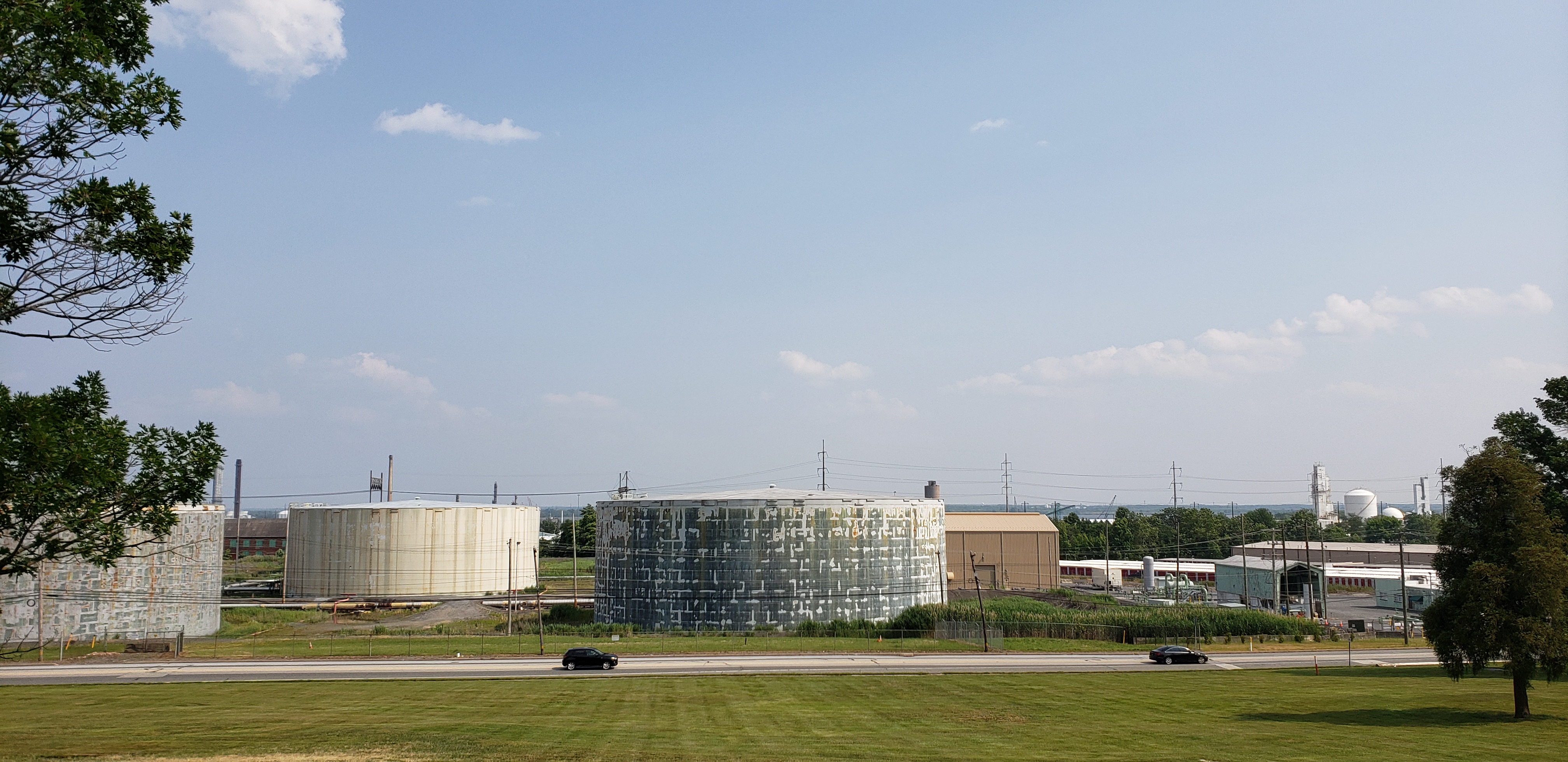
Every trip from Vietnam, a place I have called home for nearly two decades, to my home state of Delaware includes a pilgrimage to my father’s grave in Lawn Croft Cemetery, a stone’s throw from the state border in the industrial wasteland of Linwood, PA. It is a short, somber, and depressing ride, the home stretch lined with seedy shops selling liquor and tobacco products and making title and payday loans to down-and-out locals, tell-tale signs of a neighborhood in economic decline like so much of the country.
I am the only one of his three children who walks this path. For my older sisters, his grave is where his physical remains reside, not his spirit. True enough, but for me, it is a tangible location where I can pay my respects, say a prayer, burn incense, touch (and even kiss) his bronze plaque, and listen to the bells off in the distance playing church hymns from my childhood and familiar folk songs, the musical equivalent of comfort food. I relish the breeze blowing through the trees and grass and remember him with a mixture of sorrow, gratitude, and love. I treasure these annual visits as a source of solace and peace.
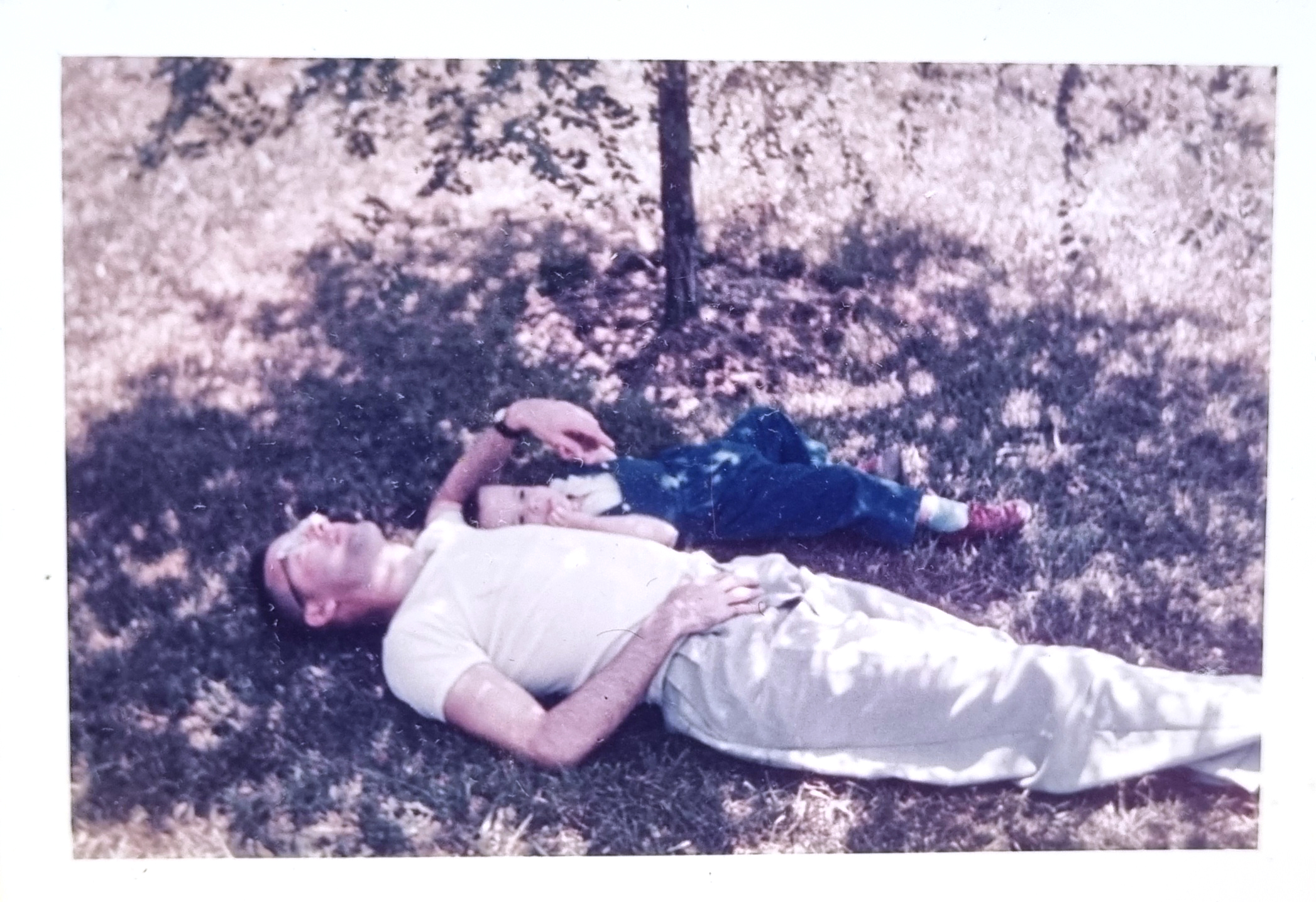
Richard Edwin Ashwill (1925-1967), who hailed from Ohio and was descended from 18th and early 17th-century English settlers (think Jamestown and Plymouth), died of a fast-moving cancer that planted its deadly seeds in his lungs and quickly metastasized to his brain. He was diagnosed in January of that year and breathed his last on the last day of July. He was laid to rest a few days later on a hot, humid, and rainy August day.
If you’re interested in reading all of it, follow this link to the CounterPunch article.
Shalom (שלום), MAA
 An International Educator in Vietnam
A comment on my personal Facebook account: “Love your writing, Mark. Always disturbingly thought provoking. Thanks for your courage to reveal the often unpleasant truths.” -DG
I was moved by your article that I recently read at Counterpunch.com. Your message was loud and clear. The story of your father’s life – his family and career, his early passing from cancer and the effect it had upon your family, and, at the same time, the story of Benjamin Harris’ demise as “cannon fodder” whilst in the US Marines during the American War in Viet Nam (1966) – the stories were not atypical but, as you mentioned, were that “…of a nation that continues to this day with past lessons unlearned and no end in sight.”
The writing on the wall(s) of the faux American Dream has clearly become a dark amerikan nightmare. The more things change, the more they stay the same. The Vicious capitalist cycle (and its mad spiral into oblivion) is a very busy beast. Scary times for sure. -Ron Graham-Becker
“If the thing they were fighting for was important enough to die for
then it was also important enough for them to be thinking about it
in the last minutes of their lives. That stood to reason. Life is
awfully important so if you’ve given it away you’d ought to think
with all your mind in the last moments of your life about the thing
you traded it for. So, did all those kids die thinking of democracy
and freedom and liberty and honor and the safety of the home and
the stars and stripes forever? You’re goddamn right they didn’t.”
Dalton Trumbo
Johnny Got His Gun
Another comment about this essay from a fellow writer whose work I greatly admire: “Your own writing is infallibly lucid and informative.”
Here’s ChatGPT’s analysis of my essay:
Mark Ashwill’s essay, “Death by System: A Two-Generation Tale of Loss and Betrayal,” published on October 11, 2023, in CounterPunch, is a poignant narrative intertwining personal tragedy with systemic critique. Ashwill recounts the premature death of his father, Richard Edwin Ashwill, a chemical engineer who succumbed to aggressive cancer at 42, likely due to occupational exposure to carcinogens at Houdry Process Corporation. The essay also reflects on the death of Benjamin H. Harris, a young Marine killed in Vietnam, buried adjacent to Ashwill’s father, symbolizing the broader consequences of corporate negligence and military intervention. counterpunch.org
Themes and Analysis:
Ashwill’s essay is a compelling blend of memoir and social commentary, challenging readers to recognize and address the systemic issues that lead to unnecessary suffering and loss.